
Starting a blog can be an exciting and rewarding venture. Here are some steps to help you get started with blogging:
1. Choose a blogging platform:
 |
| blogging platform |
2. Decide on your blog's niche:
Determine the topic or niche you want to focus on. It could be anything you're passionate about, such as travel, fashion, technology, food, or personal development. Selecting a specific niche can help you target a specific audience.
3. Select a domain name:
 |
| domains |
A domain name is the web address of your blog (e.g., www.yourblogname.com). Choose a domain name that is relevant to your niche, easy to remember, and reflects your blog's identity. Check if the domain name you want is available and register it with a domain registrar.
4. Set up hosting:
 |
| web hosing |
If you're using a self-hosted platform like WordPress.org, you'll need to find a reliable web hosting provider to store your blog's files and make it accessible on the internet. Compare hosting options, consider factors like reliability, speed, customer support, and cost, and choose a hosting plan that suits your needs.
5. Customize your blog's design:
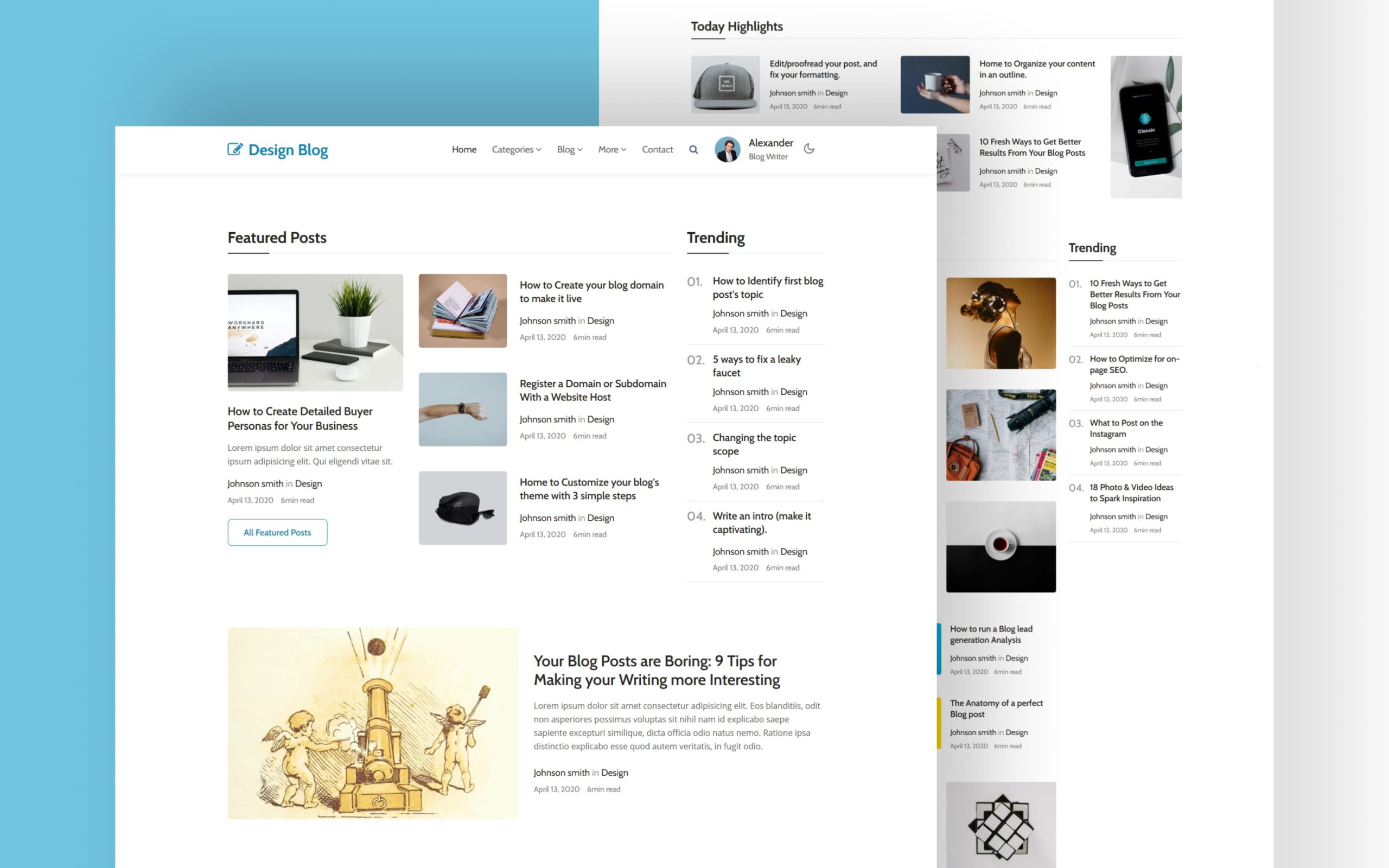 |
| blog's design |
Select a visually appealing and user-friendly theme/template for your blog. Most blogging platforms offer a wide range of free and paid themes that you can customize according to your preferences. Ensure that your blog's design is responsive and optimized for mobile devices.
6. Create compelling content:
 |
| compelling content |
Start creating high-quality, original, and engaging content for your blog. Plan your content strategy, identify topics your target audience would be interested in, and aim to provide value through your articles, guides, tutorials, or personal experiences. Regularly publish new content to keep your blog fresh and attract readers.
7. Promote your blog:
 |
| Promote your blog |
Utilize social media platforms, such as Facebook, Twitter, Instagram, and LinkedIn, to promote your blog and share your articles with a wider audience. Engage with other bloggers and participate in relevant online communities to build connections and drive traffic to your blog.
8. Optimize for search engines (SEO):
 |
| SEO |
Learn the basics of search engine optimization (SEO) to improve your blog's visibility in search engine results. Focus on keyword research, optimize your blog posts with relevant keywords, use descriptive meta tags, and work on building quality backlinks to increase your blog's organic traffic.
9. Interact with your readers:
 |
| Interact with your readers |
Encourage reader engagement by responding to comments on your blog, fostering discussions, and building a community around your content. Actively engage with your readers on social media and through email newsletters to establish strong relationships.
10. Monitor and analyze your blog's performance:
Use analytics tools like Google Analytics to track your blog's performance, including traffic, popular content, user behavior, and conversion rates. Analyzing these metrics can help you understand your audience better and make informed decisions to improve your blog.
Remember, building a successful blog takes time, consistency, and effort. Stay dedicated, keep learning, and adapt your strategies based on feedback and analytics to grow your blog over time.


